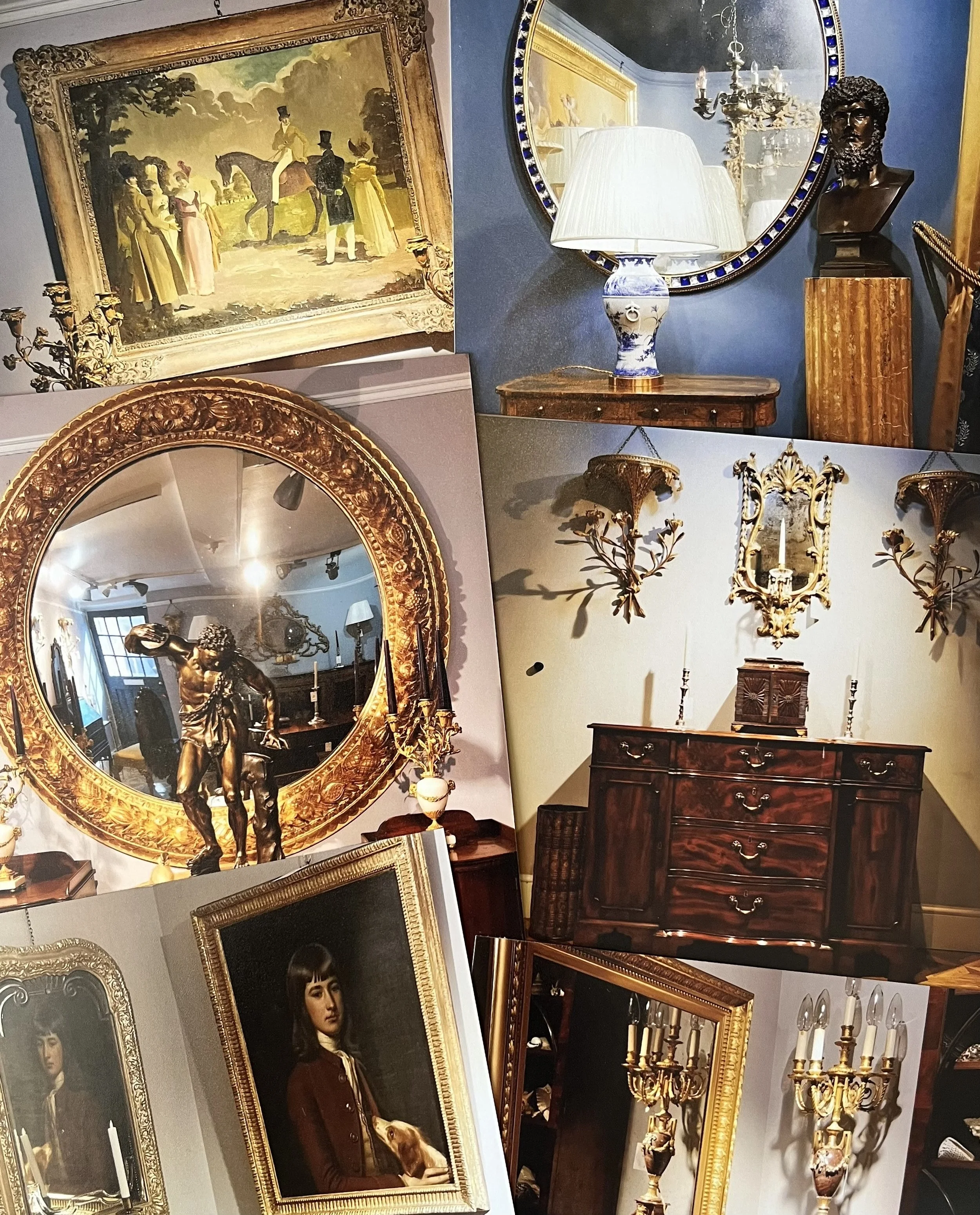

Why Professional Antique Restoration Matters
Antique furniture tells a story. Whether it is a family heirloom passed down through generations or a carefully chosen piece with historical significance, every antique deserves thoughtful care and attention. Professional restoration is not about making an item look brand new—it's about preserving its character while ensuring it can continue to be enjoyed for many years to come.
Understanding the Difference Between Restoration and Conservation
One of the most common misconceptions is that restoration and conservation are the same. In reality, they serve different purposes.
Conservation focuses on preserving the original materials and preventing further deterioration. Any treatment is carefully considered, minimally invasive and, wherever possible, reversible.
Restoration, on the other hand, aims to return a piece to a stable, functional and visually pleasing condition. This may involve repairing damaged joints, replacing missing veneer, restoring decorative mouldings or carefully matching original finishes while respecting the integrity of the piece.
Choosing the right approach depends on the age, condition and historical importance of each item.
Why DIY Repairs Can Reduce Value
With countless online tutorials available, it can be tempting to repair antiques yourself. Unfortunately, well-intentioned repairs often cause irreversible damage.
Modern fillers, unsuitable adhesives, aggressive sanding and incorrect finishes can remove the original patina that collectors and specialists value. Once this historic surface has been lost, it can rarely be recreated.
Professional restorers use traditional techniques and appropriate materials to ensure repairs complement the original craftsmanship rather than compete with it.
Traditional Skills That Stand the Test of Time
Many restoration techniques have remained largely unchanged for centuries because they continue to produce the finest results.
At Butler & Castell, we use traditional methods wherever appropriate, including:
French polishing
Veneer replacement and repair
Structural cabinet repairs
Traditional hide glue techniques
Gilding and decorative finishes
Conservation-grade restoration methods
Every project begins with a careful assessment to determine the most sympathetic treatment for the piece.
Investing in the Future
Quality restoration is an investment rather than an expense. Well-restored furniture not only retains its beauty but can also preserve or enhance its long-term value.
Whether restoring a Georgian chest of drawers, a Victorian dining table or an ornate gilt mirror, skilled craftsmanship helps ensure these objects remain part of our homes and heritage for future generations.
Looking After Your Antiques
Simple preventative care can significantly extend the life of antique furniture:
Avoid placing furniture in direct sunlight.
Maintain stable humidity levels.
Clean using appropriate waxes and soft cloths.
Never drag furniture when moving it.
Seek professional advice if damage occurs rather than attempting repairs yourself.
Expert Restoration in Norfolk
Every antique has its own history, and every restoration requires a tailored approach. Our workshop combines traditional craftsmanship with modern conservation principles to deliver sympathetic, high-quality restoration for antique furniture, mirrors, picture frames and decorative objects.
If you have a treasured family heirloom or an antique in need of professional attention, we'd be delighted to discuss the most appropriate restoration options and help preserve its history for generations to come.